
From strawto a credit.
Every Kepler project runs through one standardized lifecycle. Each stage produces records the next depends on, so a credit can be traced back to the straw it was made from.
The lifecycle · 01
Six steps, each one leaving a trail.

Origination
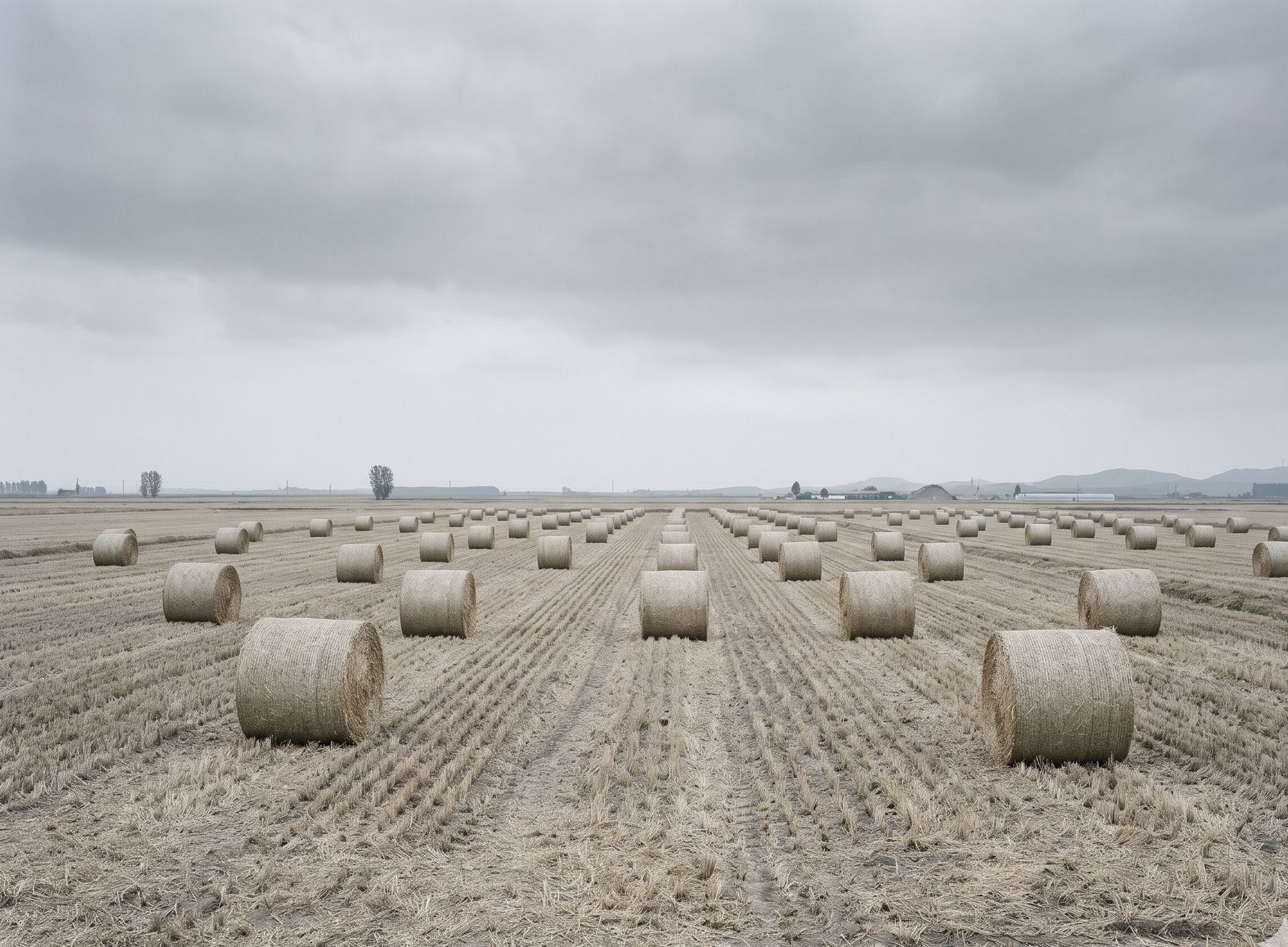
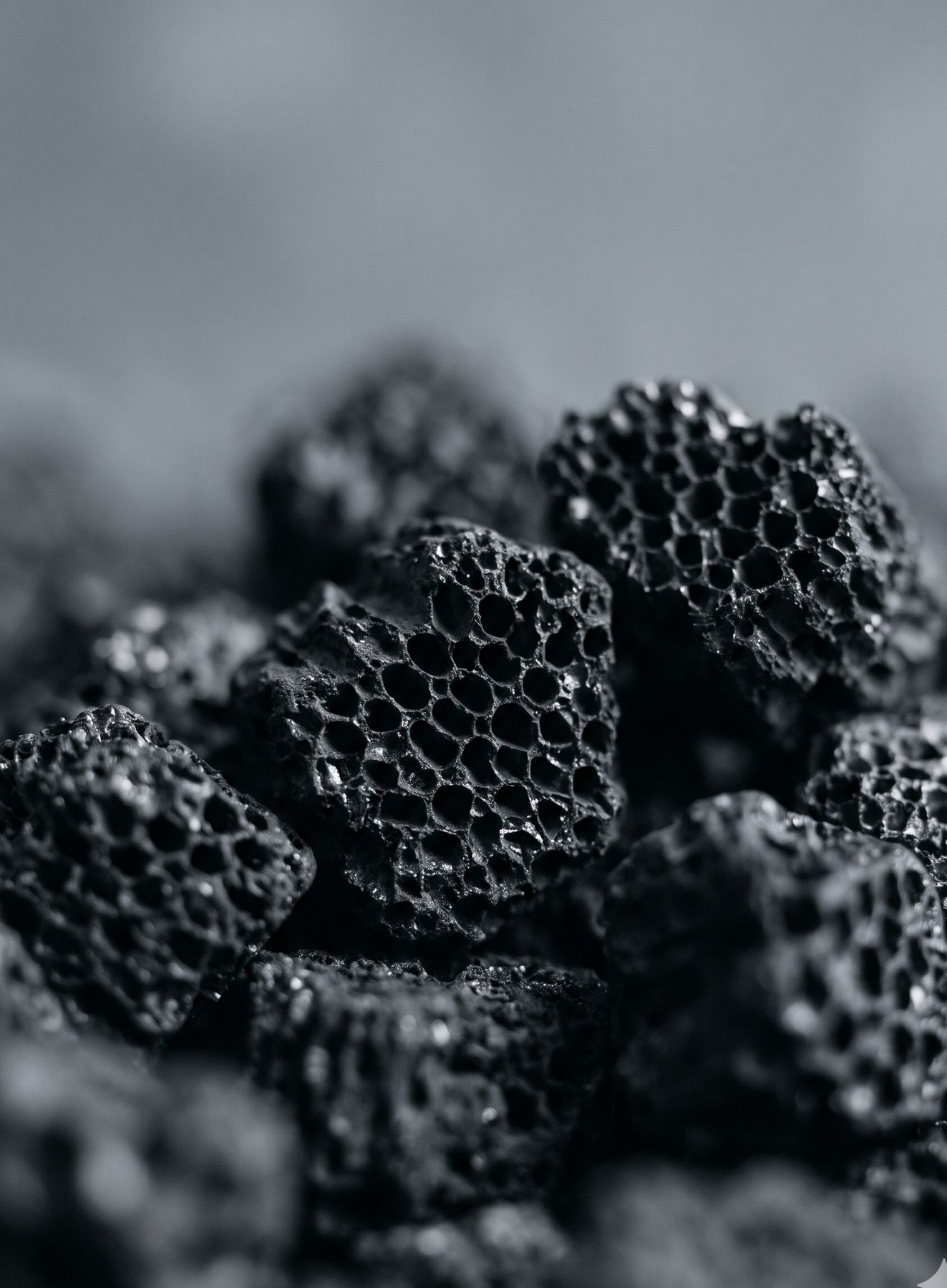
We screen biomass, mineralization and ecological opportunities. For biochar, that means finding crop-residue streams that are large, steady and not already used in ways that store carbon, and plants able to turn them into certified material.
- Feedstocks
- Rice, wheat and corn straw
- Output
- Shortlist of sites
Assessment and design
Feasibility, additionality and business model design. We check that the removal would not happen without carbon revenue, model the life-cycle emissions of transport and processing, and choose the methodology the project will be certified under.
- Additionality
- Documented
- Output
- Project design document
Build and run
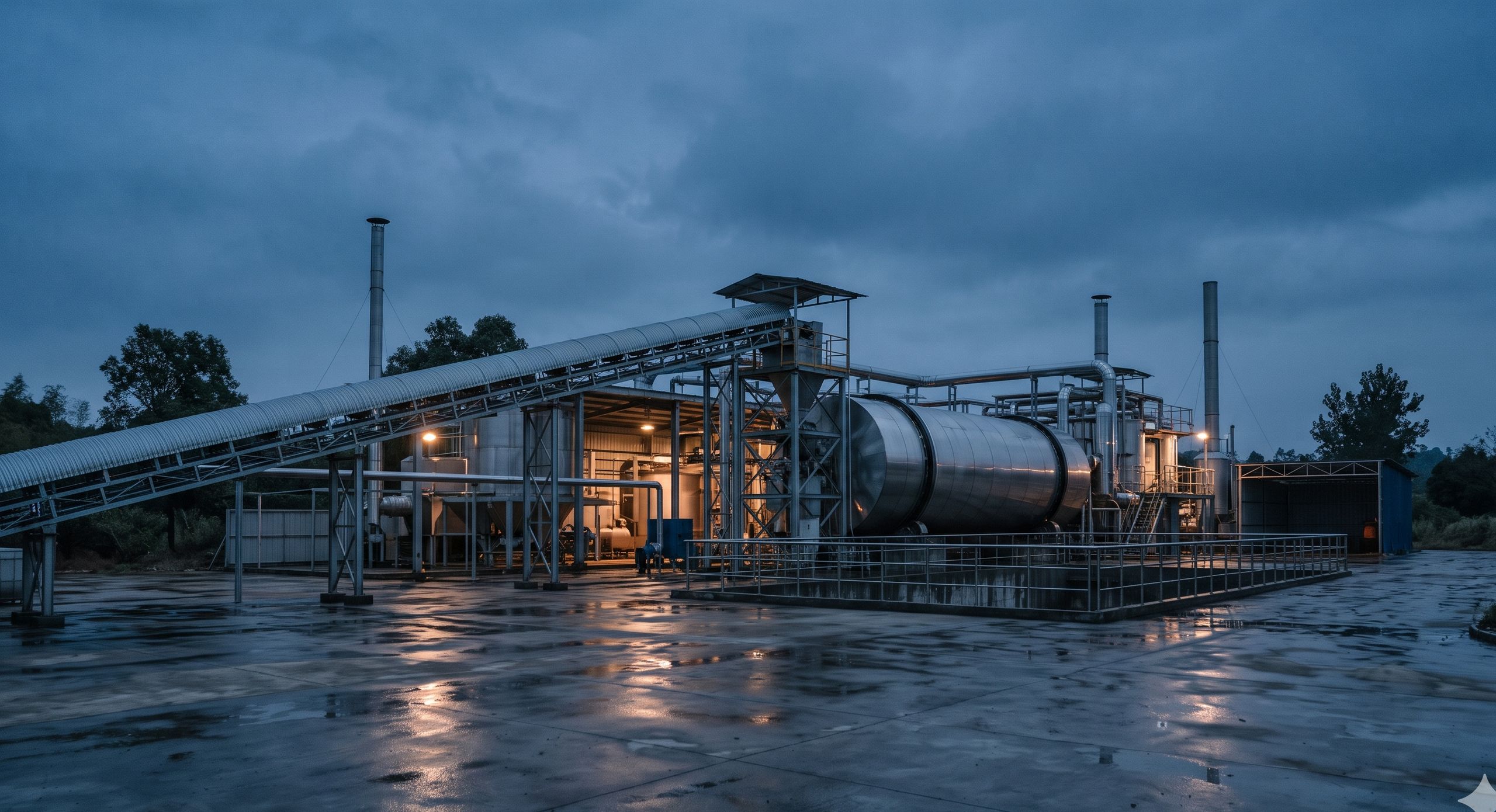
Construction, commissioning and standardized operation. At our industrial partner in Anhui, crop residue is heated without oxygen. Each production run is split into numbered batches with feedstock, temperature and residence time on record.
- Record
- Batch ID · date · weight
- Output
- Certified biochar
Digital monitoring
IoT data streams track removal performance in real time. Accredited labs confirm the carbon content and stability of every batch, and custody records follow the biochar from plant gate to field.
- Lab
- Organic C · H/Corg
- Output
- Monitoring report
Verification and issuance
The full record is reviewed by an independent, registry-approved verification body before credits are issued with unique serial numbers on international registries.
- Registries
- Puro.earth · Isometric · Carbonfuture
- Output
- Serialized credits
Delivery
Retirement and delivery of credits to buyers worldwide. Buyers receive a certificate that names the project and batch, so the claim in their own report points to real tonnes in a real field.
- Document
- Retirement certificate
- Payment
- Collected after sale
Evidence behind every delivery · 02
Three records make one credit.
Credit yield and eligibility depend on project-level verification, life-cycle emissions and accepted end uses. That is why we keep three linked records for every tonne we sell.
Factory batch
Feedstock type and origin, pyrolysis temperature and residence time, output weight and the biochar quality results from the lab. One batch ID ties them together.
Transport and placement
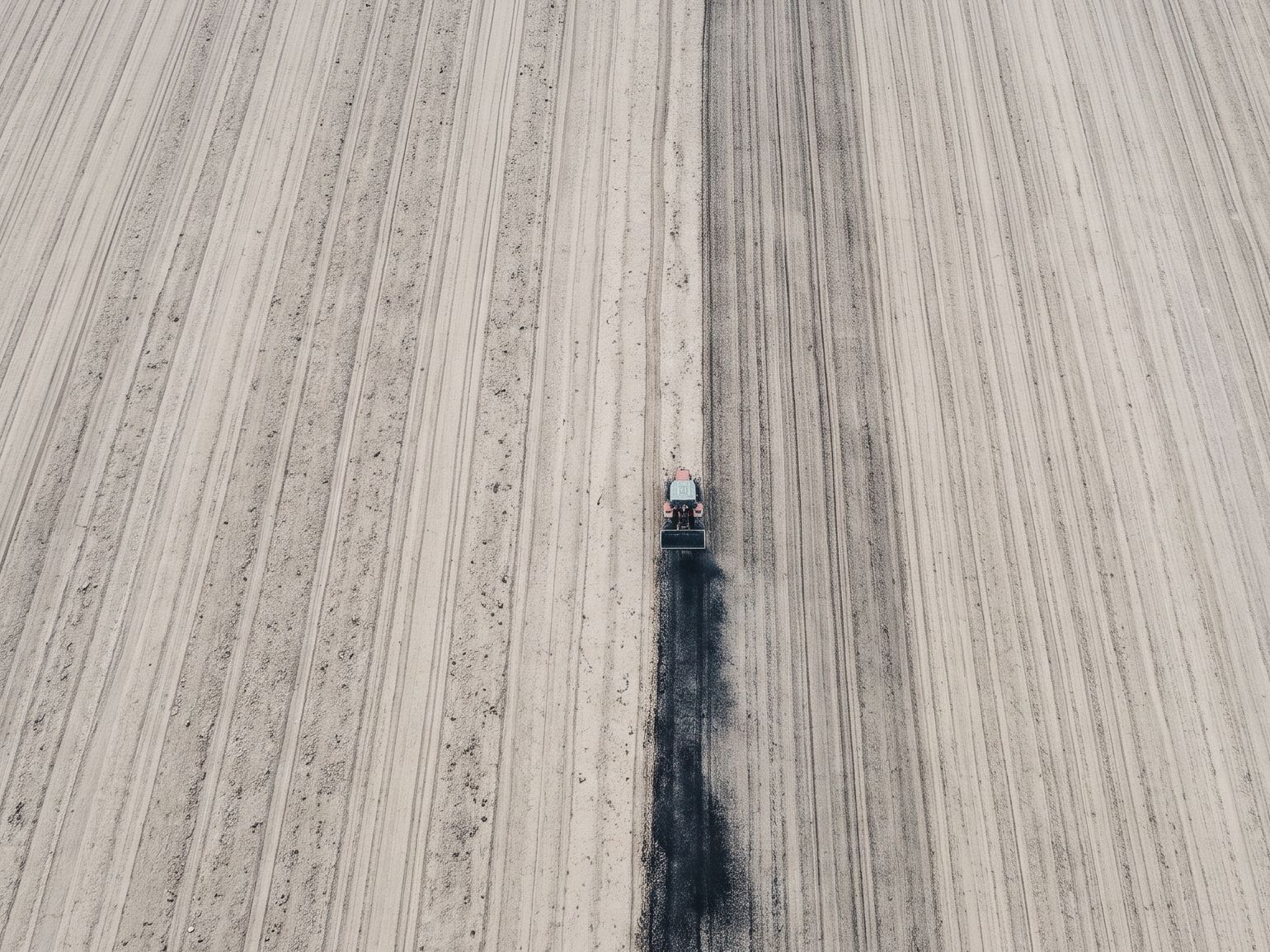
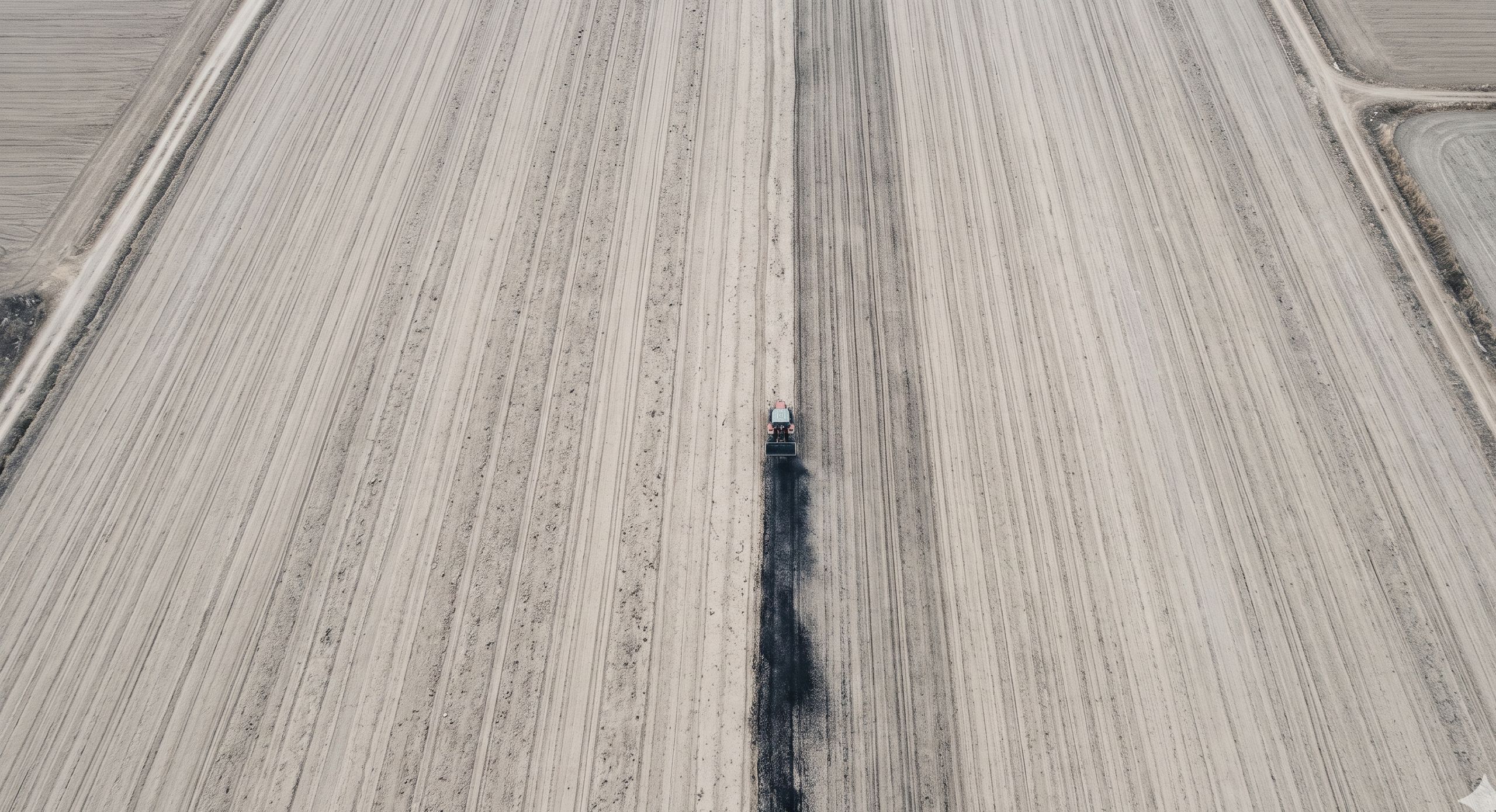
Custody records from plant gate to field, the region and month of application, and evidence that the biochar went into a durable end use such as farmland or fertilizer blends.
Issuance and collection
The approved removals, the serial numbers issued by the registry, delivery to the buyer and the matching cash receipt. Each sale reconciles back to the batches it came from.
Permanence · 03
Why the carbon stays in the ground.
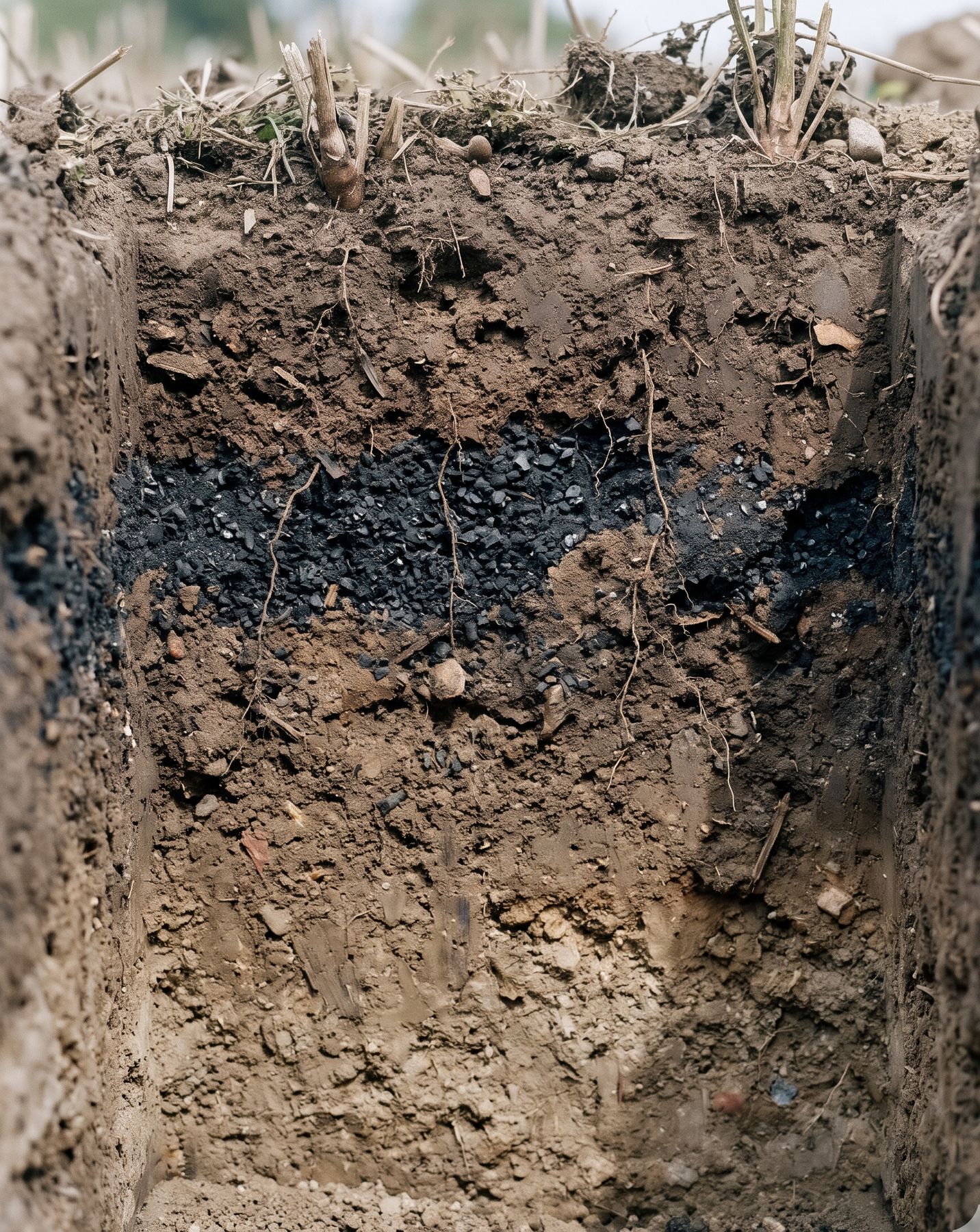
When straw decays in a field, microbes break it down and most of its carbon returns to the air as CO₂ within a few seasons. Pyrolysis changes the structure of that carbon. It becomes condensed, aromatic and very hard for microbes to digest.
The key measure is the ratio of hydrogen to organic carbon, written H/Corg. The lower it is, the more stable the biochar. Registries set a limit on this ratio and use it, with soil temperature data, to calculate how much carbon is still stored after a century and beyond. We test every batch; biochar that does not pass is excluded, and we record why.
H/Corg stability scale · example batch
Measured, then sold.
Procurement follows confirmed demand. Suppliers are paid when the matching credits sell, and buyers pay after delivery. These figures come from our 2027 plan.
Deployed across traceable end uses, with batch-level evidence for each.
Removal credits planned for sale in the first delivery year.
Modelled removal per tonne of biochar, before verification.
Typical time from credit sale to cash collection in our model.
Questions · 04
What buyers and partners ask us first.
Why make biochar from Chinese crop residue?
China produces hundreds of millions of tonnes of crop straw every year. Most of it already goes back to the fields, where it decays. Turning part of it into biochar keeps the same material on the same farmland, but stores its carbon for far longer.
Who verifies the credits?
Our teams run development, digital MRV and trading. Verification is carried out by independent, registry-approved verification bodies before any credit is issued.
What happens if a batch fails its lab test?
It is excluded from issuance. The batch record stays on file with the result and the reason, so the chain of evidence remains complete.
How do you avoid double counting?
Each batch carries one ID from plant to registry, and supply contracts include warranties that the same removal is not claimed under any other scheme, including China's domestic programmes.
Is farmer data shared publicly?
No. Field applications are reported at regional level. Personal and precise location data stays private, in line with Chinese data rules.