01Origination.
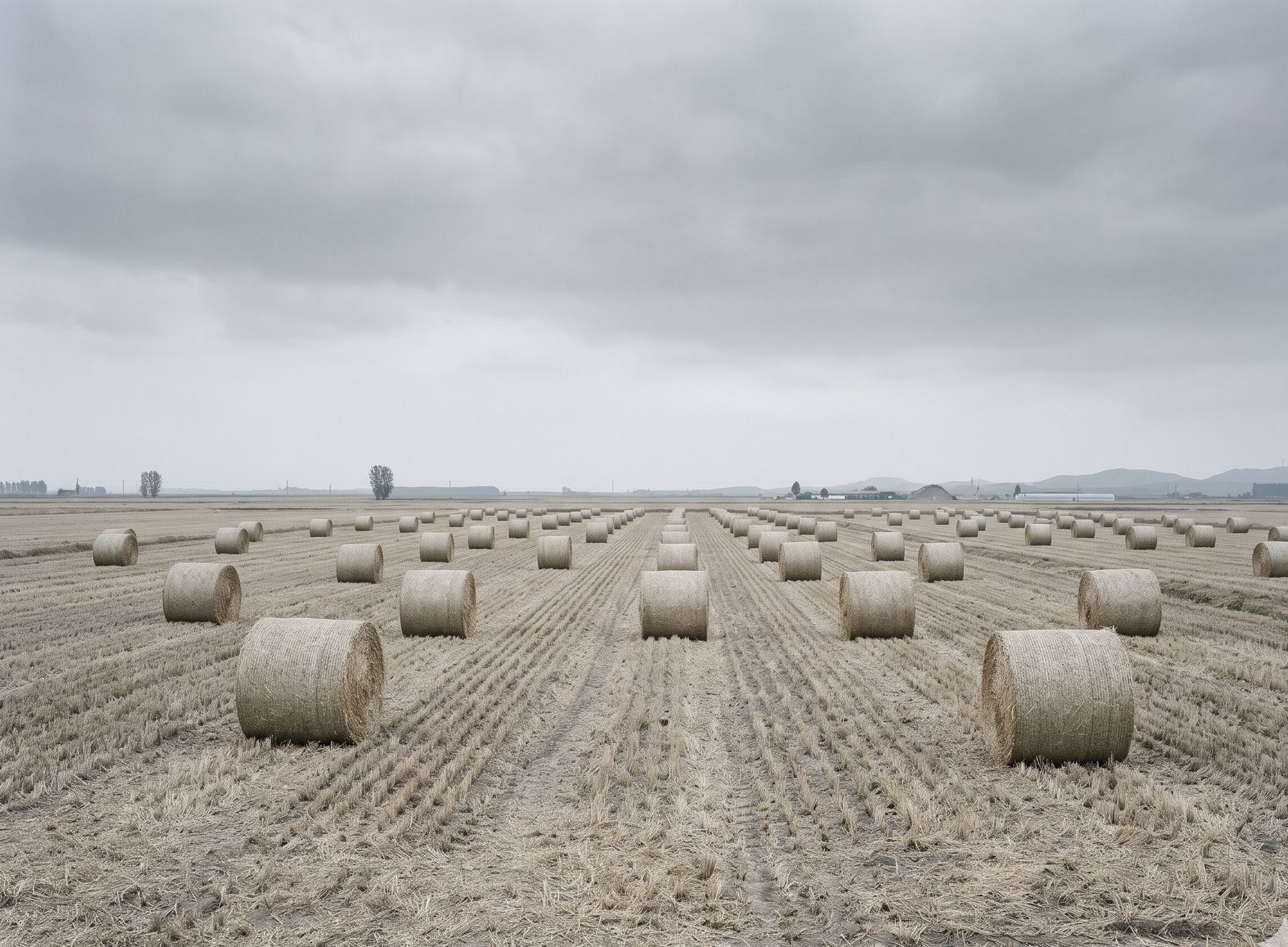
We screen biomass, mineralization and ecological opportunities. For biochar, that means finding crop-residue streams that are large, steady and not already used in ways that store carbon, and plants able to turn them into certified material.
Kepler CarbonRice, wheat and corn strawOutput · site shortlist
02Assessment and design.
Feasibility, additionality and business model design. We check that the removal would not happen without carbon revenue, model the life-cycle emissions of transport and processing, and choose the methodology the project is certified under.
Kepler CarbonAdditionality documentedOutput · project design
03Build and run.
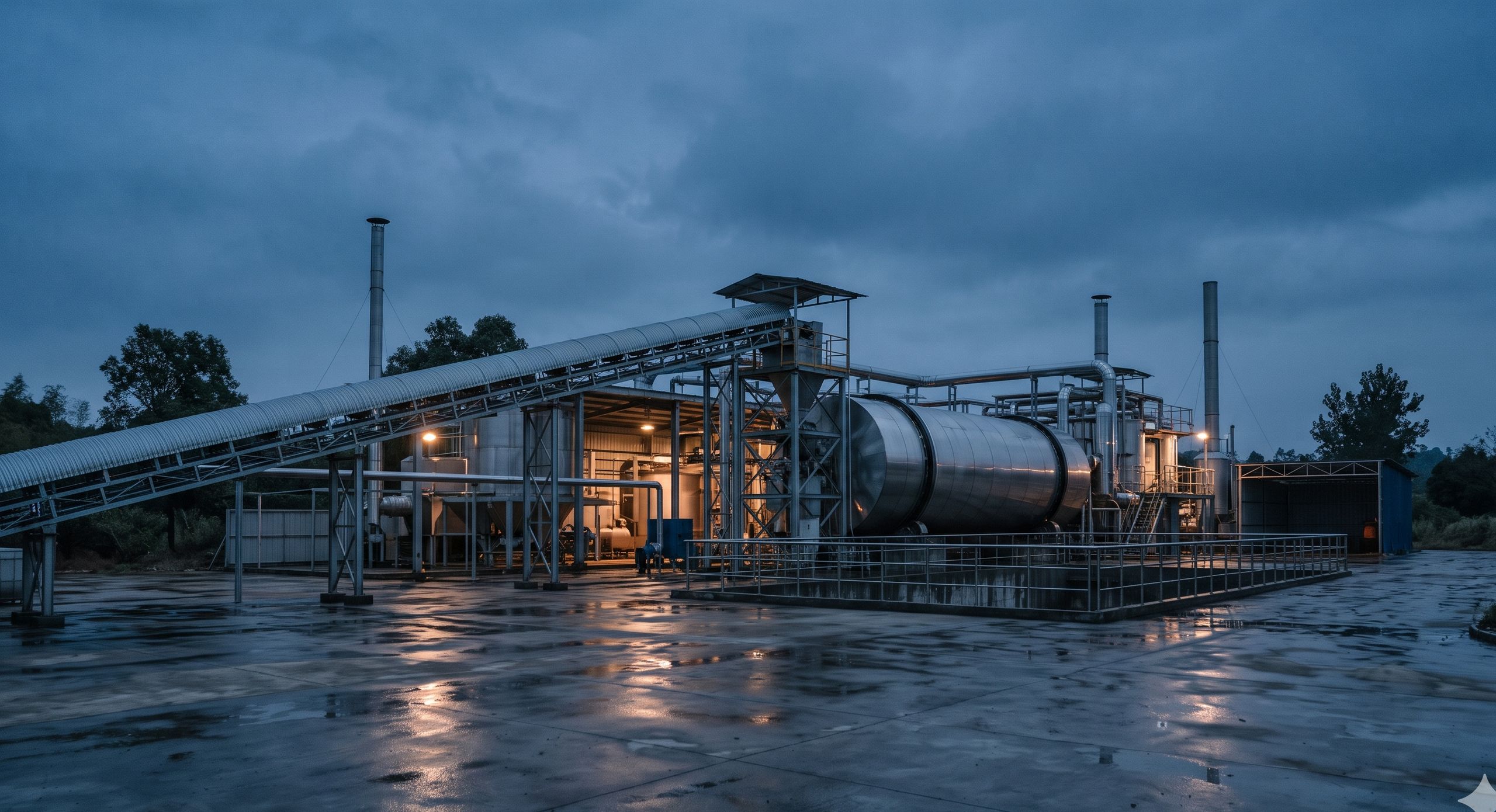
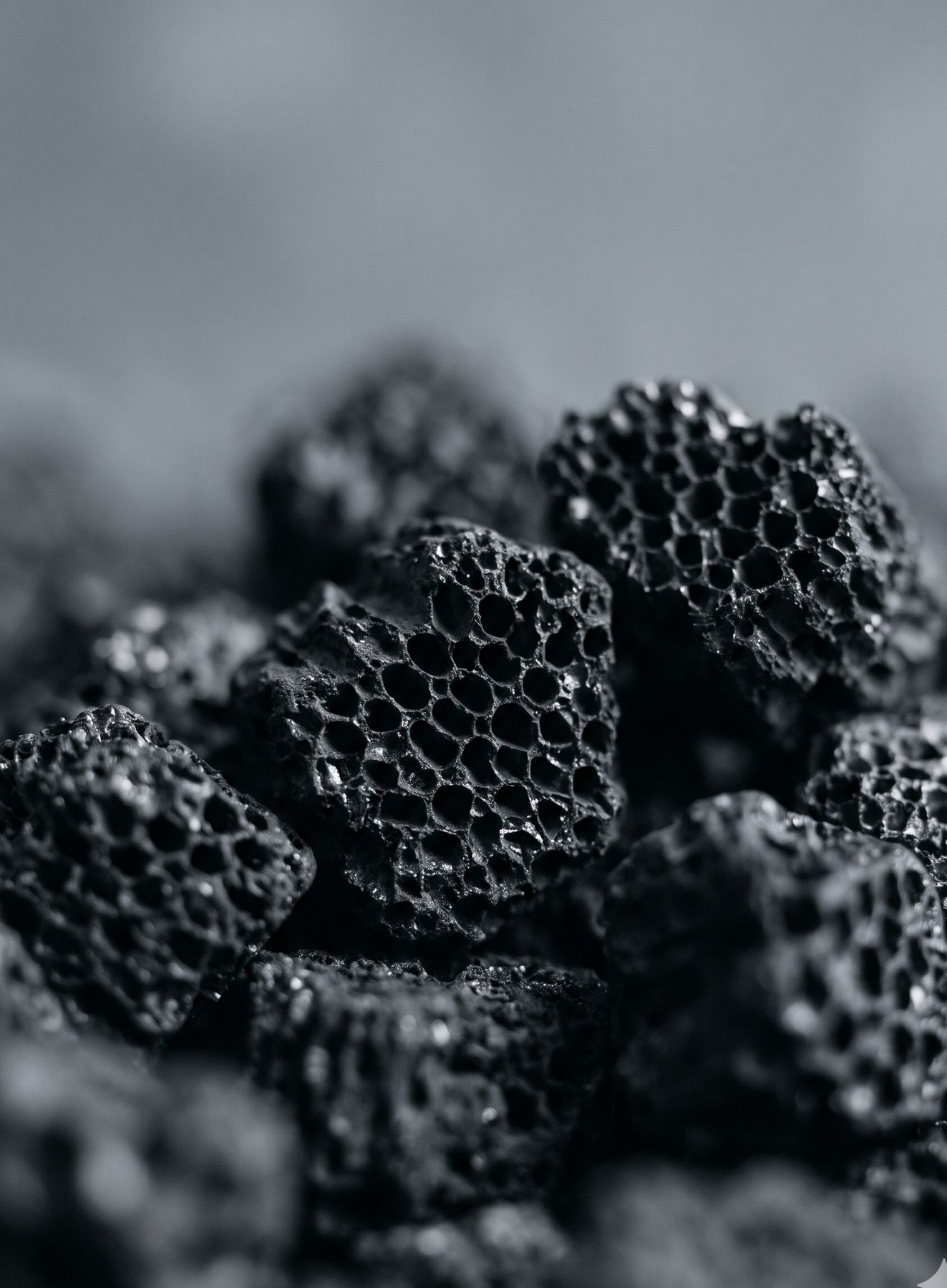
Construction, commissioning and standardized operation. At our industrial partner in Anhui, crop residue is heated without oxygen. Each run is split into numbered batches with feedstock, temperature and residence time on record.
Plant partnerBatch ID · date · weightOutput · certified biochar
04Digital monitoring.
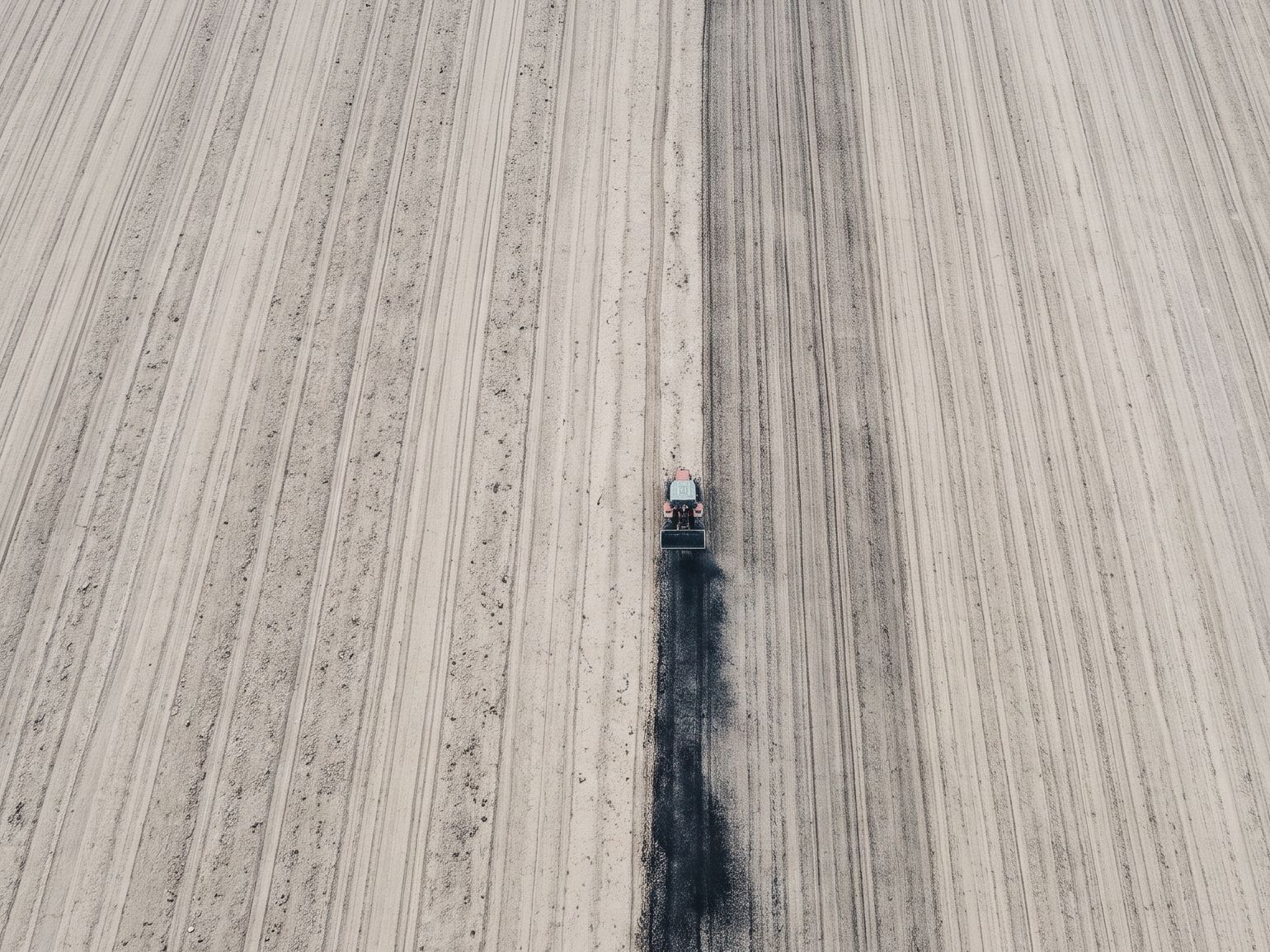
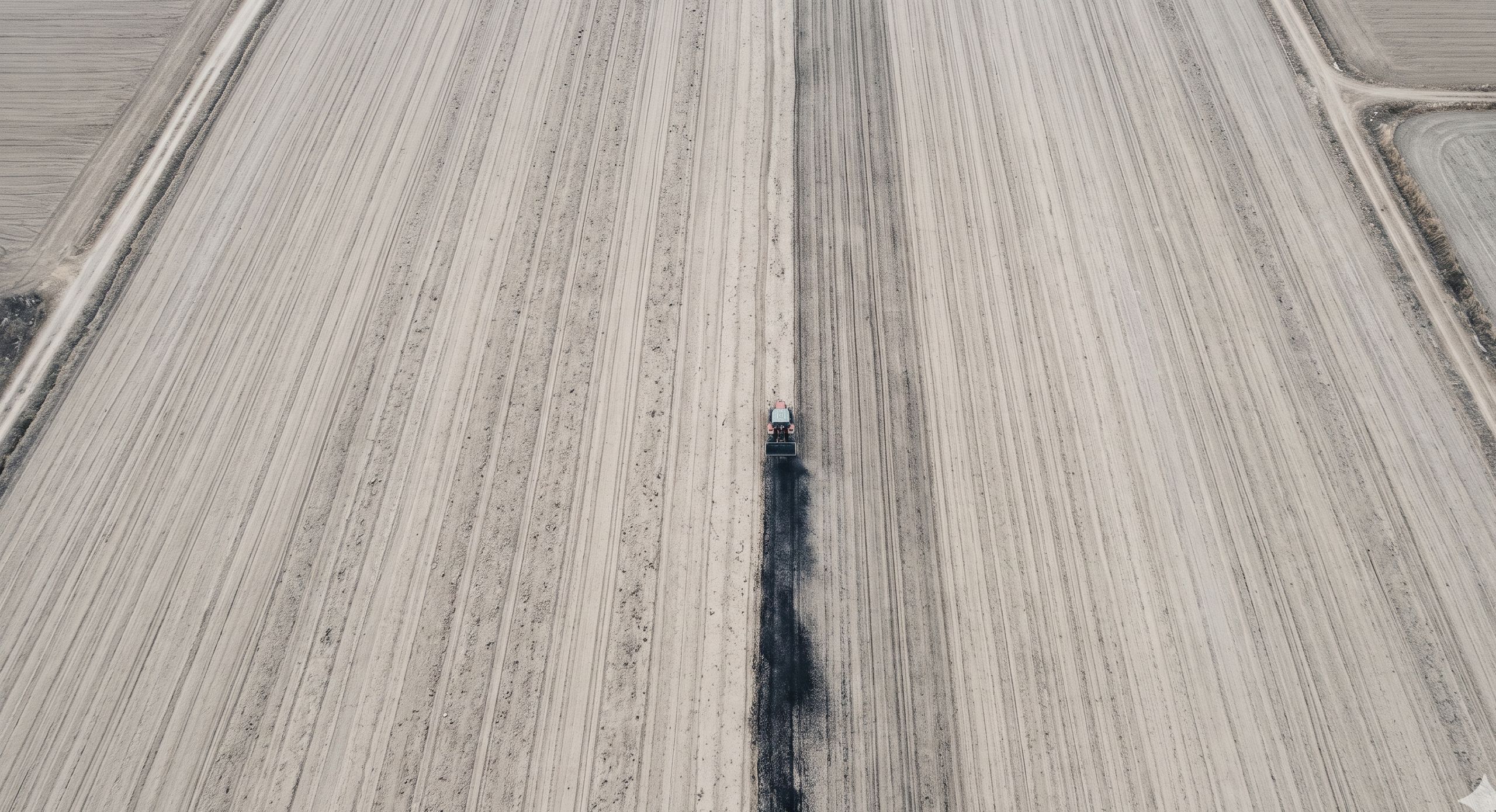
IoT data streams track removal performance in real time. Accredited labs confirm the carbon content and stability of every batch, and custody records follow the biochar from plant gate to field.
Kepler dMRV and labsOrganic C · H/CorgOutput · monitoring report
05Verification and issuance.
The full record is reviewed by an independent, registry-approved verification body before credits are issued with unique serial numbers on international registries.
Verifier and registryPuro.earth · Isometric · Carbonfuture
06Delivery.
Retirement and delivery of credits to buyers worldwide. Buyers receive a certificate that names the project and batch, so the claim in their own report points to real tonnes in a real field.
Kepler and buyerRetirement certificatePaid after sale